


Packaging innovation from intelligent dispensing to anti-counterfeiting
Silgan Dispensing, ACG World and Fasciculus showcased innovations in patient-centric packaging, sustainable blister packs and anti-counterfeiting solutions at Respack 2026
02 Jun 2026 | By Sai Deepthi

Packaging is increasingly moving beyond its traditional role of protecting products to become a critical driver of patient adherence, product authentication, sustainability and consumer experience. That was the central message emerging from Plenary Session 5 at Respack 2026, where industry leaders explored how healthcare packaging is evolving through advanced dispensing technologies, sustainable blister packaging solutions and digital track-and-trace systems.
The session was chaired by Shivam Puri, managing director of Cipla Health, who opened the discussion by highlighting how packaging has often been the hidden differentiator behind some of the world's most successful healthcare and FMCG products.
Drawing examples from Vicks inhalers, asthma inhalation devices, toilet cleaners and handwash dispensers, Puri argued that while consumers may focus on the product inside, packaging often determines usability, convenience and ultimately brand success.
"Packaging is still not the centre of the world for many companies and corporates. It needs to be, because it is one of the biggest differentiators that any company can make with its product," he remarked.
Silgan Dispensing showcases patient-centric packaging solutions
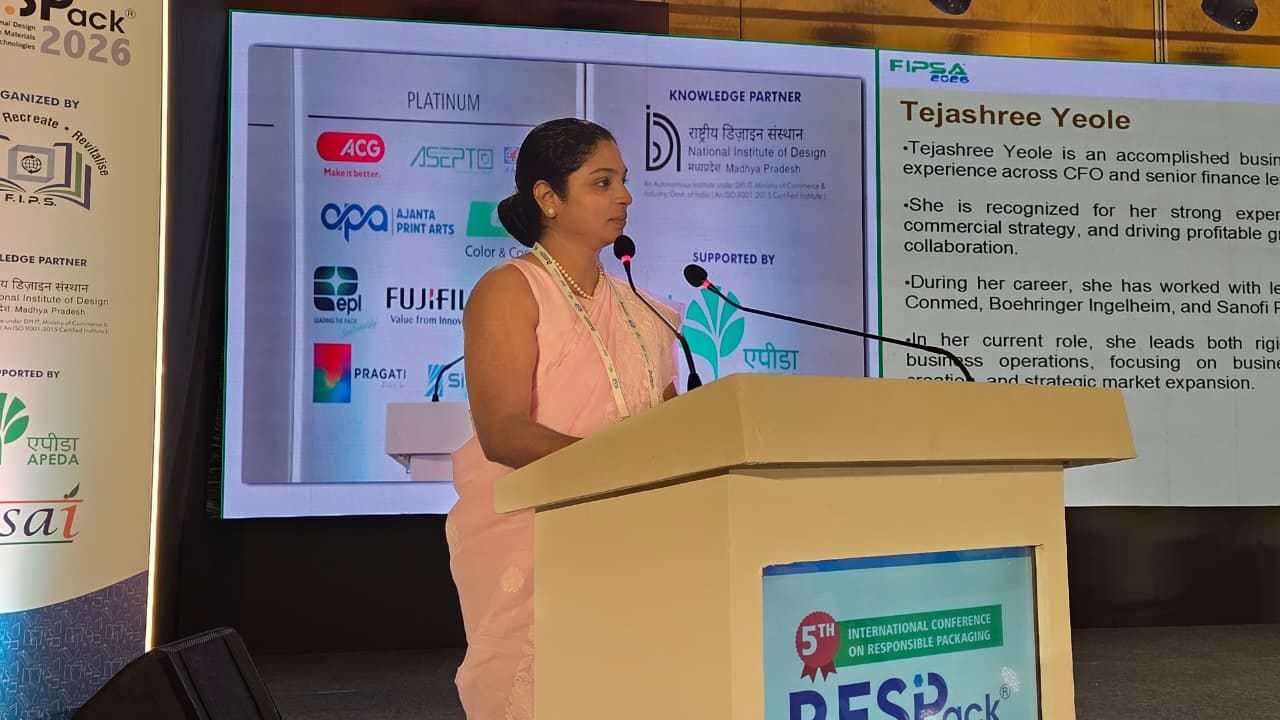
The first presentation was delivered by Tejashree Yeole, director – sales and marketing, Silgan Dispensing, who examined how healthcare packaging is transitioning from a passive protective function to becoming an active participant in patient care.
Drawing upon nearly two decades of experience in the healthcare sector, Yeole explained that the pharmaceutical packaging landscape has undergone multiple transformations over the past decade. While the immediate post-pandemic years focused heavily on vaccines, cold-chain infrastructure and sterile packaging environments, the industry's current focus has shifted towards sustainability, PCR content and patient-centric design. Looking ahead, she predicted that intelligent packaging solutions capable of interacting with patients and improving treatment outcomes will define the next phase of healthcare packaging innovation.
According to Yeole, healthcare packaging is undergoing a "fundamental transformation from protective containers to active patient-care solutions". Pharmaceutical and healthcare companies today are demanding packaging systems that combine safety, compliance, sustainability and enhanced user experience. This shift has elevated packaging from a supply component to a critical element of treatment delivery.
She highlighted several innovations developed by Silgan Dispensing, including precision dosing systems capable of delivering highly accurate dosage volumes for applications such as nasal sprays, eye drops and topical formulations. Such systems help reduce overdose risks while improving patient adherence and treatment efficacy.
Yeole also showcased contamination-free airless dispensing technologies designed for pharmaceutical and healthcare applications. Products such as airless pumps and preservative-free dispensing systems eliminate contamination risks while ensuring high product evacuation rates. She noted that these technologies are finding increasing adoption in both healthcare and personal care applications.
Another emerging area identified by Silgan is needle-free drug delivery systems and smart dispensing platforms, reflecting broader industry efforts to improve patient convenience and treatment compliance. Alongside these developments, the company continues to invest in child-resistant closures, tamper-evident systems and fully recyclable dispensing solutions, including pump technologies designed around mono-material polypropylene structures.
Concluding her presentation, Yeole stressed that future healthcare packaging solutions will be defined by four key attributes: safety, intelligence, sustainability and patient centricity.
ACG outlines roadmap for sustainable blister packaging
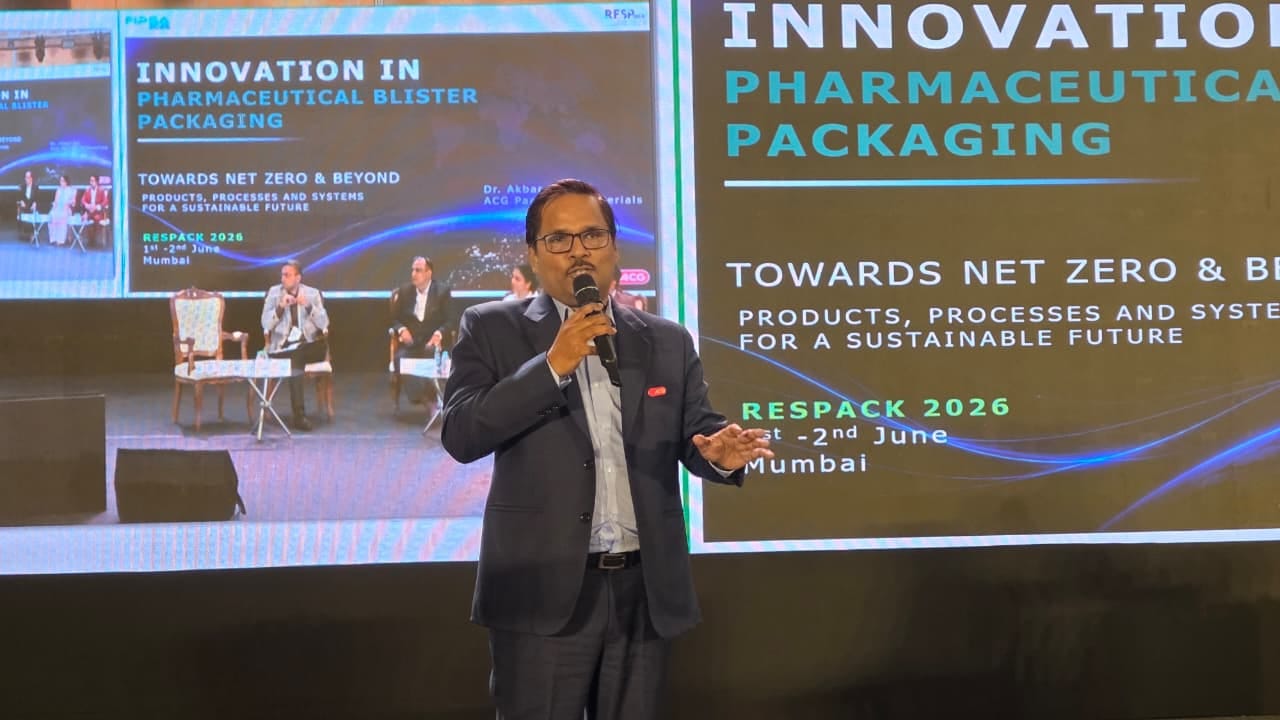
The second presentation was delivered by Sheikh Akbar Ali, general manager and head – development and technology, ACG World, who explored how sustainability goals are reshaping pharmaceutical blister packaging.
Ali began by emphasising that pharmaceutical packaging faces a unique challenge compared to other sectors. While sustainability is becoming a global priority, pharmaceutical packaging must simultaneously maintain patient safety, drug stability and stringent regulatory compliance.
According to Ali, growing consumer awareness, climate commitments and tightening global regulations are forcing pharmaceutical companies to rethink packaging design. He pointed out that customers increasingly expect suppliers to have clear sustainability strategies and measurable pathways towards net-zero emissions.
One of the most significant sustainability challenges within pharmaceutical packaging is blister packaging itself. ACG's analysis identified raw material production—particularly aluminium—as one of the largest contributors to carbon emissions across pharmaceutical packaging supply chains. Manufacturing operations, energy-intensive HVAC systems and global logistics networks further increase the sector's carbon footprint.
Ali argued that incremental improvements alone will not be sufficient to achieve net-zero goals. Instead, the industry requires systemic transformation encompassing materials, manufacturing processes, recycling infrastructure and collaboration across the entire value chain.
To address these challenges, ACG has been investing heavily in sustainable packaging innovation. The company has developed recyclable blister solutions based on single-polymer structures, replacing traditional PVC-based materials with more sustainable alternatives. It is also exploring paper-based blister packs capable of replacing conventional plastic formats in selected applications.
Beyond materials innovation, ACG is focusing on advanced coating technologies, digitalisation and green manufacturing. Ali described how artificial intelligence and advanced analytics are increasingly being deployed to optimise production processes, improve predictive maintenance and monitor sustainability performance.
However, he stressed that technology alone cannot deliver circularity.
"The major bottleneck in achieving circularity is infrastructure," he said, referring to the need for collection systems, recycling facilities and regulatory frameworks that support material recovery.
Ali concluded by emphasising that achieving net-zero targets will require collaboration across the entire pharmaceutical ecosystem, including packaging suppliers, pharmaceutical manufacturers, regulators and recycling stakeholders. ACG itself has pledged to achieve net-zero emissions and recently published a sustainability roadmap aligned with those ambitions.
Fasciculus and Vinsak tackle counterfeiting
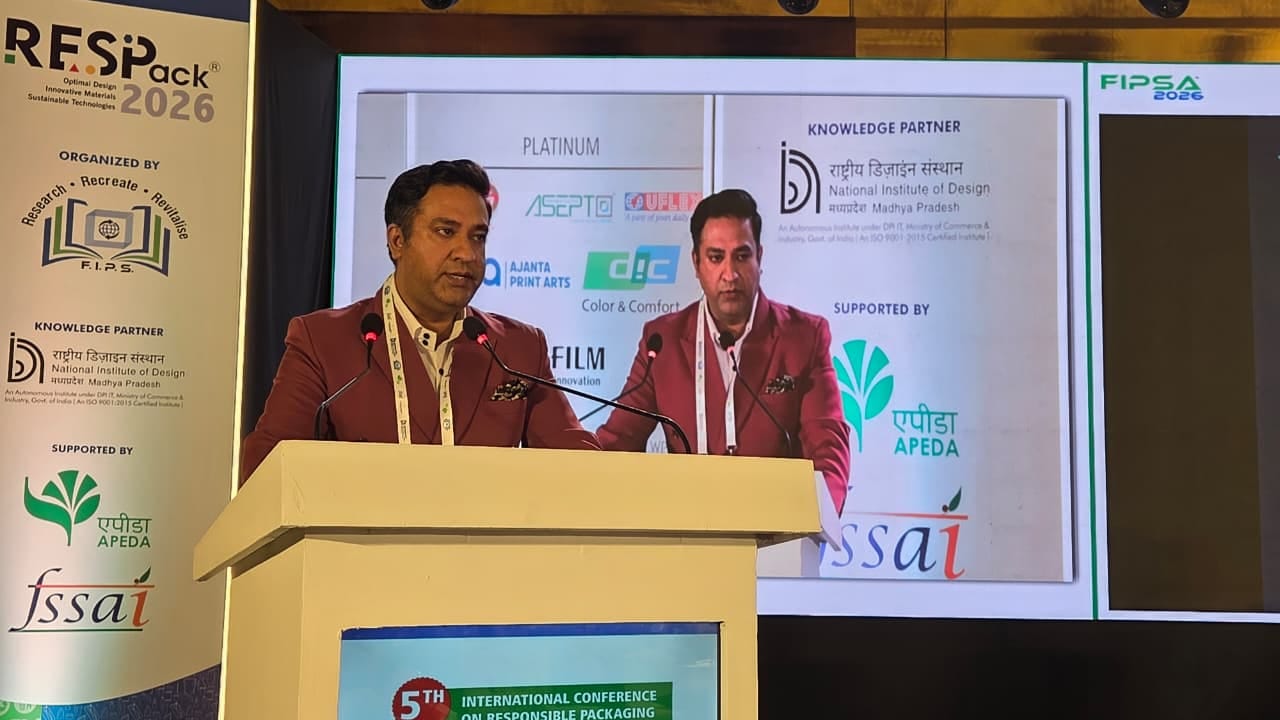
The final presentation focused on one of the healthcare industry's fastest-growing concerns: product authentication and supply-chain transparency.
Jatin Talwar, director, Fasciculus India, and Ranesh Bajaj of the Vinsak Group presented a comprehensive overview of anti-counterfeiting and track-and-trace technologies designed to protect brands and consumers.
Talwar explained that Fasciculus was created to help brands digitise their products using what the company describes as its "AVI" framework—Authenticity, Visibility and Interactivity. The platform combines physical packaging with digital technologies to create traceable and verifiable products.
At the heart of the solution is a proprietary QR-code system that Talwar claims is non-clonable. Unlike conventional QR codes that can be copied and replicated, the system is designed to identify duplicate scans and immediately alert brand owners when suspicious activity is detected.
"We are claiming a non-clonable QR code, which is very rare because we know that QR codes can be copied several times," Talwar said.
Consumers can verify product authenticity simply by scanning a code using their smartphone without downloading an application. If counterfeit activity is detected, a red flag is generated and transmitted directly to the brand owner.
Beyond authentication, the platform provides comprehensive track-and-trace functionality across the supply chain. Through geotagging, geofencing and product-level serialization, brands can monitor the movement of products from manufacturing facilities to distributors, retailers and end consumers. This helps combat stock diversion, grey-market activity and supply-chain inefficiencies.
Talwar also highlighted the value of consumer engagement capabilities built into the system. By connecting packaging directly to consumers, brands can gather insights into usage patterns, regional preferences and purchasing behaviour while simultaneously delivering product information and educational content.
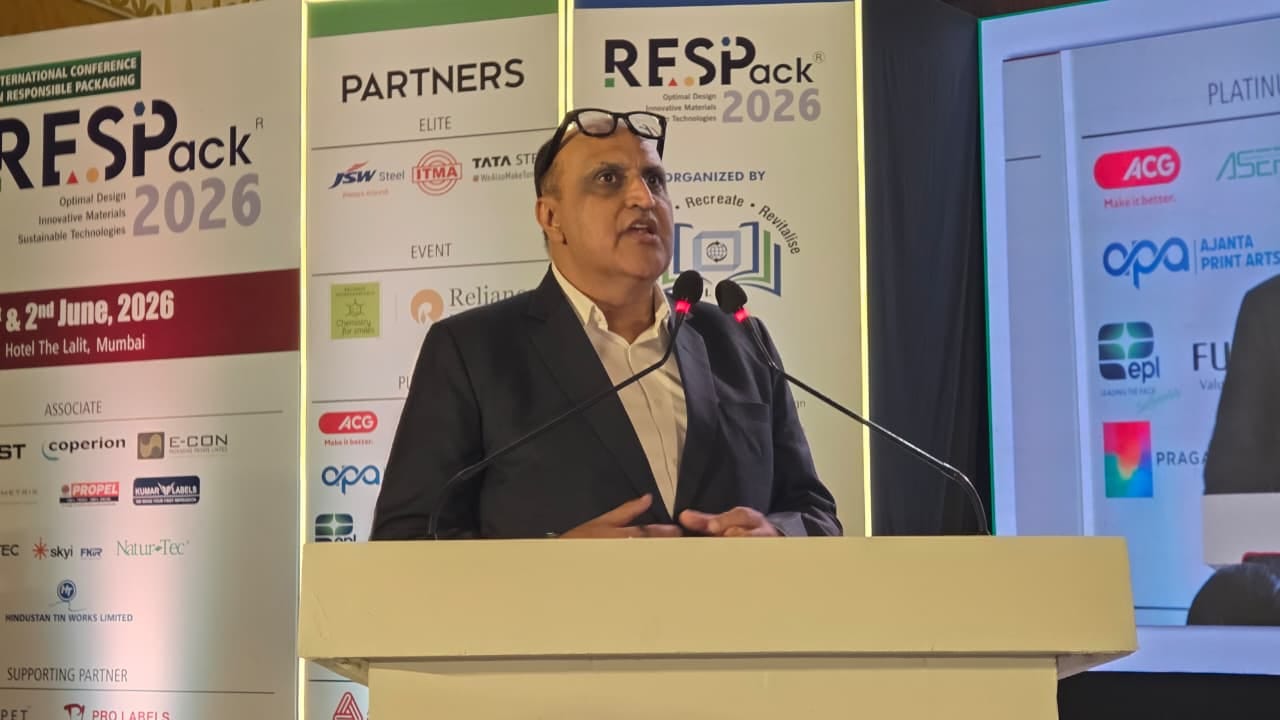
Bajaj complemented the presentation by discussing the broader security technologies available through the Vinsak Group. He explained that effective anti-counterfeiting strategies require multiple layers of protection, including substrate security, specialised design features, high-speed variable-data printing and advanced digital authentication systems.
According to Bajaj, solutions must be customised according to product value, volume and risk profile rather than relying on a single standardised approach. He also highlighted the growing adoption of tax stamps, variable QR codes and digital authentication technologies across multiple international markets.
Importantly, Bajaj urged the packaging industry to place greater emphasis on functionality-led innovation.
"Packaging has always had two roles — aesthetics and functionality. We somehow still focus more on aesthetics. Functionality research happening in India needs to increase," he observed.
Conclusion
Whether through intelligent dispensing systems that improve adherence, sustainable blister packs that support net-zero ambitions or digital authentication platforms that combat counterfeiting, packaging is increasingly becoming an active component of healthcare delivery rather than simply a protective layer.
As regulatory expectations, patient demands and sustainability commitments continue to intensify, the technologies showcased during Plenary Session 5 suggest that packaging innovation will play an increasingly central role in the future of healthcare, beauty and personal care products.