


Rahul Bose of Neural Hinge spotlights brands perspectives
Rahul Bose, co-founder and chief innovation officer at Neural Hinge, shares that brand briefs now start with fluid behaviour, dosing accuracy, sealing and barrier needs, contamination control and a simple question: how does the user handle this pack at 6 am on a rushed day?
24 Feb 2026 | By Abhay Avadhani

Rahul Bose: Beverage and spirits are about ritual and trust
Neural Hinge is a service platform for packaging and delivery systems, serving industries like beauty, skincare, pharma, healthcare, and beverage and spirits. Working with over 39 brands, and over a hundred launches, the company aims to “de-risk” investments with performance innovation.
Its co-founder and chief innovation officer, Rahul Bose, loves to place Neural Hinge in the spot before the brand realises it is looking for a new concept. He believes this is the phase where the brief still looks like a line extension but the underlying forces are already shifting.
Neural Hinge maintains a living beauty leans on sensorial cues, precision dispensing, decoration and brand codes. Pharma and healthcare demand dose integrity, tamper evidence, traceability, and often child-resistant behaviour where relevant. Beverages and spirits bring sealing performance, torque control, oxygen ingress sensitivity, transport robustness and authenticity cues. Bose says, the backbone is the test plans and compliance gates change.
He says, “Neural Hinge focuses on giving memorable user experiences. These come from repeatable micro moments - a cap that aligns every time. A click that confirms closure. A dose that feels intentional.” He shares instances such as the Kama Ayurveda Kansa brush scalp massager.
Bose library of packaging architectures, functional modules, supplier capability maps, rapid prototypes, test protocols, and IP landscapes. Bose thinks it lets the company move quickly, reduce risk for procurement and quality, and still deliver something ownable. “By the time a formal brief is written, we aim to have multiple credible pathways on the table and one direction that can be industrialised and protected with strategic Intellectural Property (IP) and Freedom to Operate (FTO) assurance,” he says.
A packaging service platform
Bose notes that consumers are pushing brands towards cleaner dosing, faster application, travel-proof packs for eCommerce that survives scrutiny. Neural Hinge is a packaging service platform, a stage gated path from insight to industrialised packaging. Bose describes the flow when the company starts with problem framing and user journey. “Then architecture, technical detailing, prototyping, testing, industrialisation and supplier alignment. Along the way we build an IP strategy and documentation that makes scale possible,” he adds.
Neural Hinge follows industry-specific SOPs. For example, explains that the object has a ritual built into it, and the user experience had to match the calm and premium tactility of kansa. “The work was about translating a wellness tool into a giftable, durable system that survives real bathrooms and real hands,” he adds. Another interesting project he shares is about integrated applicator systems where the user can part hair, place product at the scalp and dose without mess. The 'aha' is control and cleanliness, not novelty. Example three, he talks about is a removable wiper concept for vials that allows material separation for recycling while also improving the dip and wipe experience.
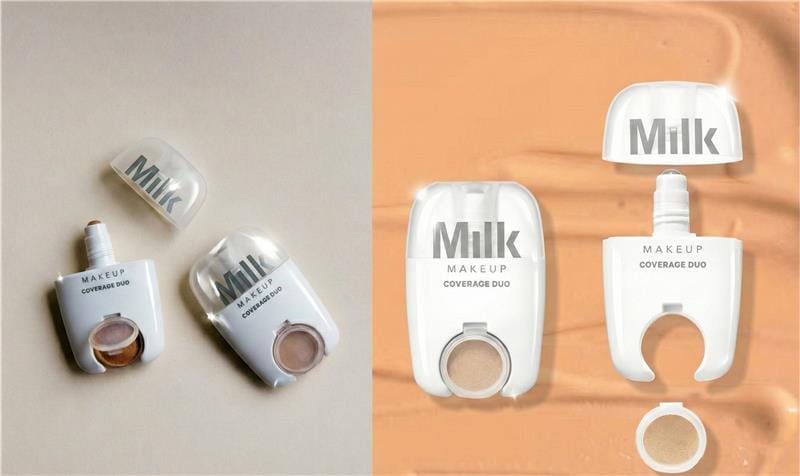
Meditations on repeatable micro moments; a cap that aligns every time, a click that confirms closure
Barrier requirements
When Neural Hinge finally talks to a brand, it involves fluid behaviour, dosing accuracy, sealing and barrier needs, contamination control, and how the user will interact with the product at 6 am on a rushed day. Bose talks about how the company goes deep on manufacturability, automation readiness, tolerance stacks, decoration processes, and failure modes. Then there is the strategic layer: What is truly novel, what is defensible, what is already crowded, and what needs FTO assurance before the team invests?
He says, “On the brand side, we work with marketing, packaging development, R&D, procurement, regulatory, quality and sometimes, medical teams. On the supply side, we coordinate with material experts, component manufacturers, toolmakers, automation partners, fillers, decorators, coating specialists and test labs.” Later, he says how brands need IP counsel, so the company acts as the integrator, the team that keeps the performance definition intact while multiple vendors touch the product. “The stakeholder map changes by category, but the pattern is consistent: Great outcomes come from alignment early, with clear interfaces and responsibility,” Bose adds.
When asked about how design can improve packaging, Bose emphasises designing the failures first — spills, misalignment, over torque, under closure, half presses, travel drops, wet hands, and oily hands. He believes that when you deliberately design for how humans actually behave, the pack stops being fragile. Bose continues, “Then add delight. Too many packs chase delight without earning reliability. The best design feels inevitable because it works every single time and the user trusts it without thinking.”
Neural Hinge registers a strong no when the brief asks to build something unsafe, mis- leading, or engineered for short term cost at the expense of consumer harm and brand risk. Bose says, on materials, they are practical. Sometimes, a polymer is the right answer for barrier, safety, weight or logistics. He believes the issue is not plastic as a word, but lazy design, unnecessary parts, poor recyclability logic, and choices that create waste without delivering performance.
Sustainability and performance
Neural Hinge works with recycled glass, PCR polymers where performance allows, aluminium architectures that can move toward monomaterial out- comes, paper-based structures, and premium natural materials like cork in the right contexts. Bose tells us that the material choice is never isolated. It is always tied to barrier needs, supply stability, end of life pathways and the local recycling reality. He describes the brand perspective that has matured from claims to measurable outcomes:
Reduction of parts, higher recycled content, refill logic that people actually adopt, and designs that survive the supply chain without extra protective waste. According to Bose, beauty and skincare often demand one-hand use, clean dosing and sensorial cues that signal premium. For example a cap can become a brand signature when the sound and alignment feel intentional. On the other hand, he says, pharma and healthcare pull you toward compliance and risk control. “The story is about dose, traceability, tamper evidence, and packs that reduce misuse. Even a cap becomes a safety device,” he adds.
Beverage and spirits are about ritual and trust. The consumer wants authenticity, a clean pour, and a closure that protects the liquid across months of transport and storage. But, what Bose enjoys the most is cross pollination — precision dispensing from pharma can elevate skincare. Ritual cues from spirits can elevate premium wellness. Sustainability lessons from one category often unlock another.

Rahul Bose: Neural Hinge focuses on giving memorable user experience
Apprehension from brands
Neural Hinge faces rational apprehension from brands when it comes to trying out new materials or any packaging innovation. He says, brands worry about supply continuity, quality control variability, decoration rejects, line efficiency, consumer complaints, regulatory exposure, and hidden cost.
Bose specifies a plan to reduce this apprehension: clear performance specs, compatibility and stability checks, pilot builds, tooling strategy with fallback options, supplier capability mapping, and a disciplined test plan. And when novelty exists, he says, “We align IP timing so the brand is not paying to educate the market for free. Once innovation is framed as managed risk with measurable gates, decision making becomes easier.”
Neural Hinge at a glance
Neural Hinge follows three rhythms on a daily basis. First, internal reviews where the company pressure tests assumptions, checks tolerances, and keeps the performance definition sharp. Second, conversations with partners and manufacturers to solve constraints, tooling, process windows, lead times and quality.
Third, work with brand teams to connect engineering choices back to consumer experience and commercial goals. In terms of regulatory compliance, Neural Hinge supports teams in aligning mandatory labelling and declarations align with the Legal Metrology (Packaged Commodities) Rules, 2011 which drives key pack declarations for retail sale.
For cosmetics, it works within the Drugs and Cosmetics framework and its labelling requirements, then aligns artwork and pack claims with what the category permits. For food and beverage, labelling and declarations align with FSSAI packaging and labelling related regulations and compendiums.
In healthcare, where child resistant behaviour is relevant, the company references globally recognised performance standards such as ISO 8317 as part of the design and test thinking, while aligning final compliance with the market being served.
Neural Hinge claims to sit at the intersection of user experience, engineering, manufacturing and strategic IP. Bose clarifies, “We are not a styling studio and we are not a vendor. We are the integrator that helps brands and manufacturers create proprietary, scalable outcomes.” To simplify the company’s work, he says: unlock whitespace, ensure FTO, and secure strategic IP.
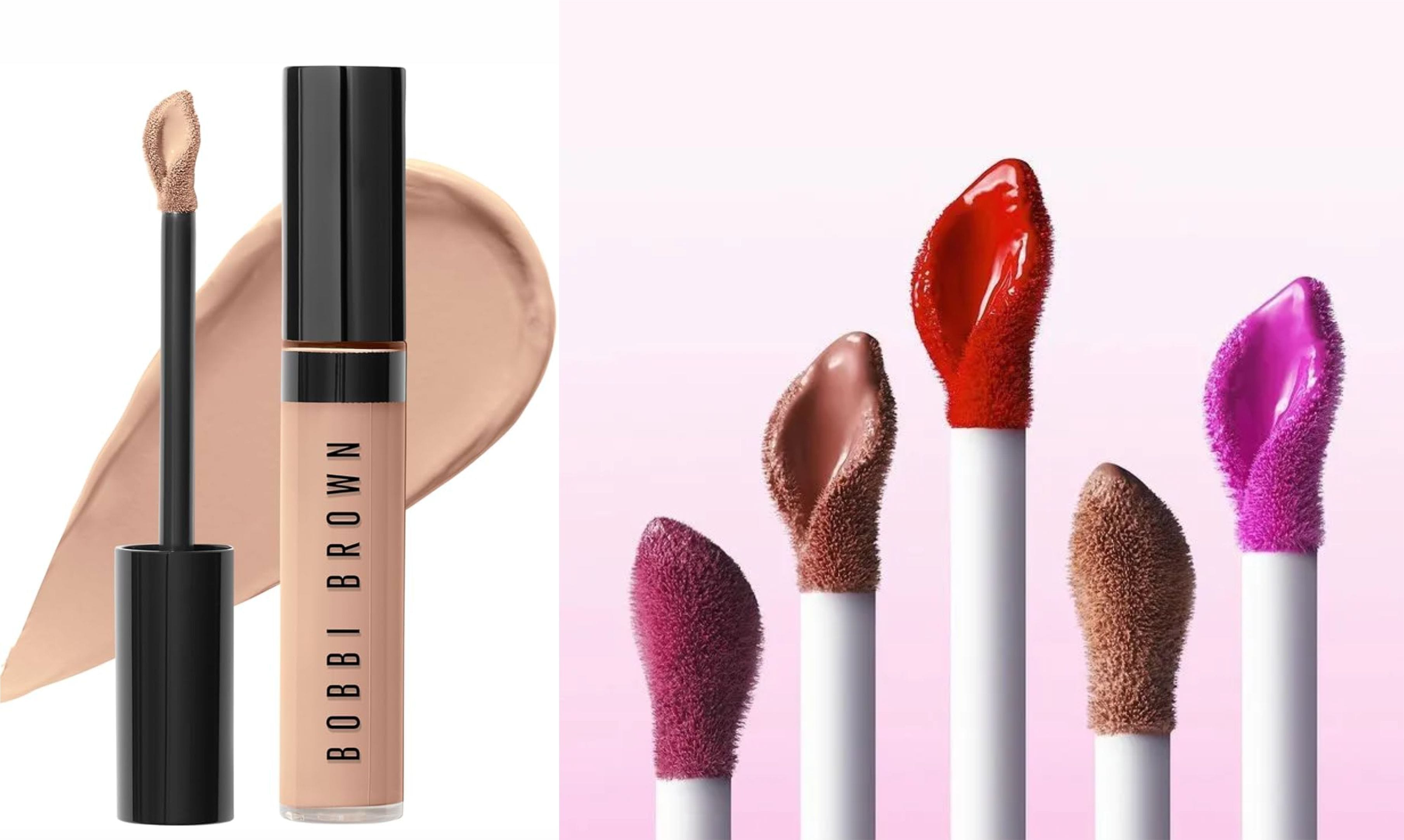
Brand use cases
Beauty and skincare: The Kama Ayurveda Kansa brush is a functional object that is also emotional, with premium execution and real user ritual. Bose also mentions projects around integrated applicators, especially scalp and targeted skincare, because small mechanical decisions create disproportionate user value.
Pharma and healthcare: The removable wiper concept for aluminium vials is exciting. It is a recyclability driven invention that still protects the user experience. Neural Hinge enjoys dose- controlled dispensers where the pack reduces misuse and improves adherence, even when the form factor looks deceptively simple.
Beverage and spirits: Premium closure and dispensing systems where the opening, pour and reseal feel elevated, with robust sealing performance and tamper evidence built in. Spirits packaging is theatre, but it has to be technical first.