


JBT Marel leveraging sustainable packaging in South Asia
Vikram Mulmule, vice president of South Asia sales at JBT Marel, interacts with WhatPackaging? magazine, explaining how the new Pune Global Production Centre enhances Proseal’s market reach through local trials
01 Dec 2025 | By Prabhat Prakash

RoboBatcher system uses vision technology to pack variable-weight products like poultry into trays
Vikram Mulmule focuses on the Global Production Centre (GPC) at Pune and how it enables Proseal to capture market share in the food service and retail sectors. He says, “The GPC at Pune, India, enables JBTM’s Proseal brand to capture market share in India and the Asia Pacific by serving as a demo centre where customers can conduct local trials.”
He believes this facility allows potential clients to experience Proseal's packaging solutions firsthand, ensuring they meet specific regional needs.
Mulmule highlights one of JBT Marel’s star products, Proseal GT1e Tray Sealer, which is noted for its energy efficiency. It stands out for its ability to integrate with sustainable packaging materials in South Asia. Mulmule says, “Its precision sealing technology and versatility make it perfect for handling paper trays and other eco-friendly options. By collaborating with material manufacturers, investing in R&D, and offering expert training, Proseal ensures optimal performance and adaptability for diverse and fragile packaging needs.”
Proseal stands out in skin packaging with technology that ensures a tight vacuum seal, extending shelf life for fresh red meat, seafood, poultry, and ready meals. The challenge lies in how scalable and viable this becomes as compared to the traditional modified atmosphere packaging (MAP). This aims to minimise oxidation and spoilage.
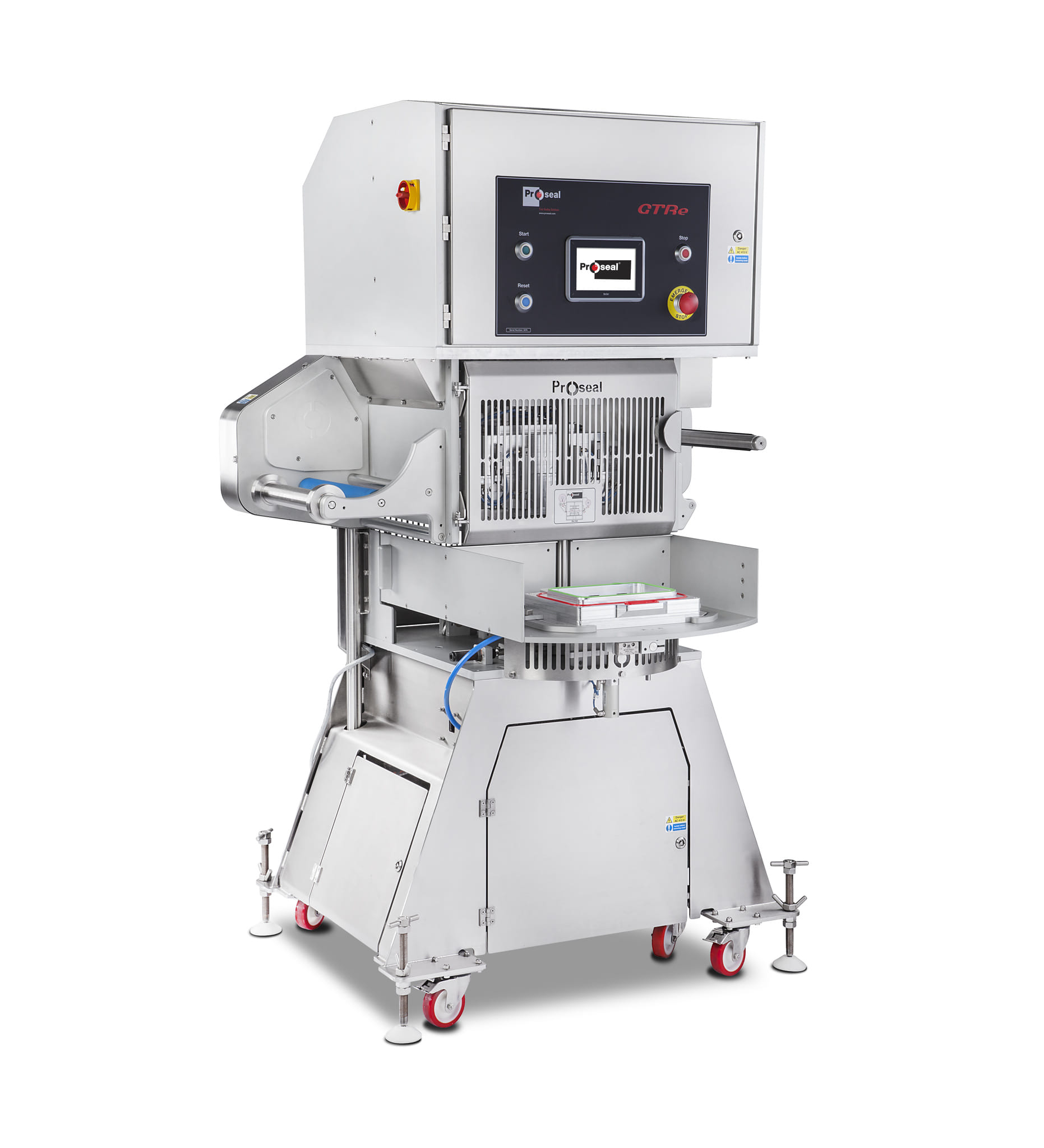
Proseal GT1e Tray Sealer
Mulmule points out that in India, the trend towards skin packaging is gaining momentum, driven by the demand for premiumisation in food products. He adds, “Consumers increasingly seek high-quality, fresh offerings, and Proseal's solutions cater to this growing market by enhancing product presentation and extending shelf life.”
Additionally, JBT Marel also provides high pressure processing (HPP) with its Avure systems. It’s driving Avure’s adoption by partnering with local packaging suppliers to develop HPP-compatible materials.
Furthermore, Vikram Mulmule discusses strategies for sustainable tray sealing, the ROI of robotic automation, and the development of climate-resilient systems to address India’s specific infrastructure and preservation needs.
Another one of JBT’s products include the RoboBatcher system, which uses vision technology to precisely pack variable-weight products like poultry into trays. Mulmule claims that this system delivers a strong ROI for mid-sized Indian processing plants by slashing labour costs, minimising product giveaway, and boosting throughput.
Additionally, he says, with JBT Marel's end-of-line solution, plants benefit from integration of packaging, labelling, and palletising, ensuring efficiency across the entire production line.
Mulmule talks about JBT Marel’s WPL9000+ system which focuses on precision weighing and labelling to ensure regulatory compliance. It is powered by an Industry 4.0-compliant software system. He explains how every product is tracked from source to shelf, ensuring full regulatory compliance across Asia Pacific’s diverse markets. “Whether it's catch-weight or fixed-weight labelling, the system delivers precision and transparency, and all in real time,” Mulmule adds.
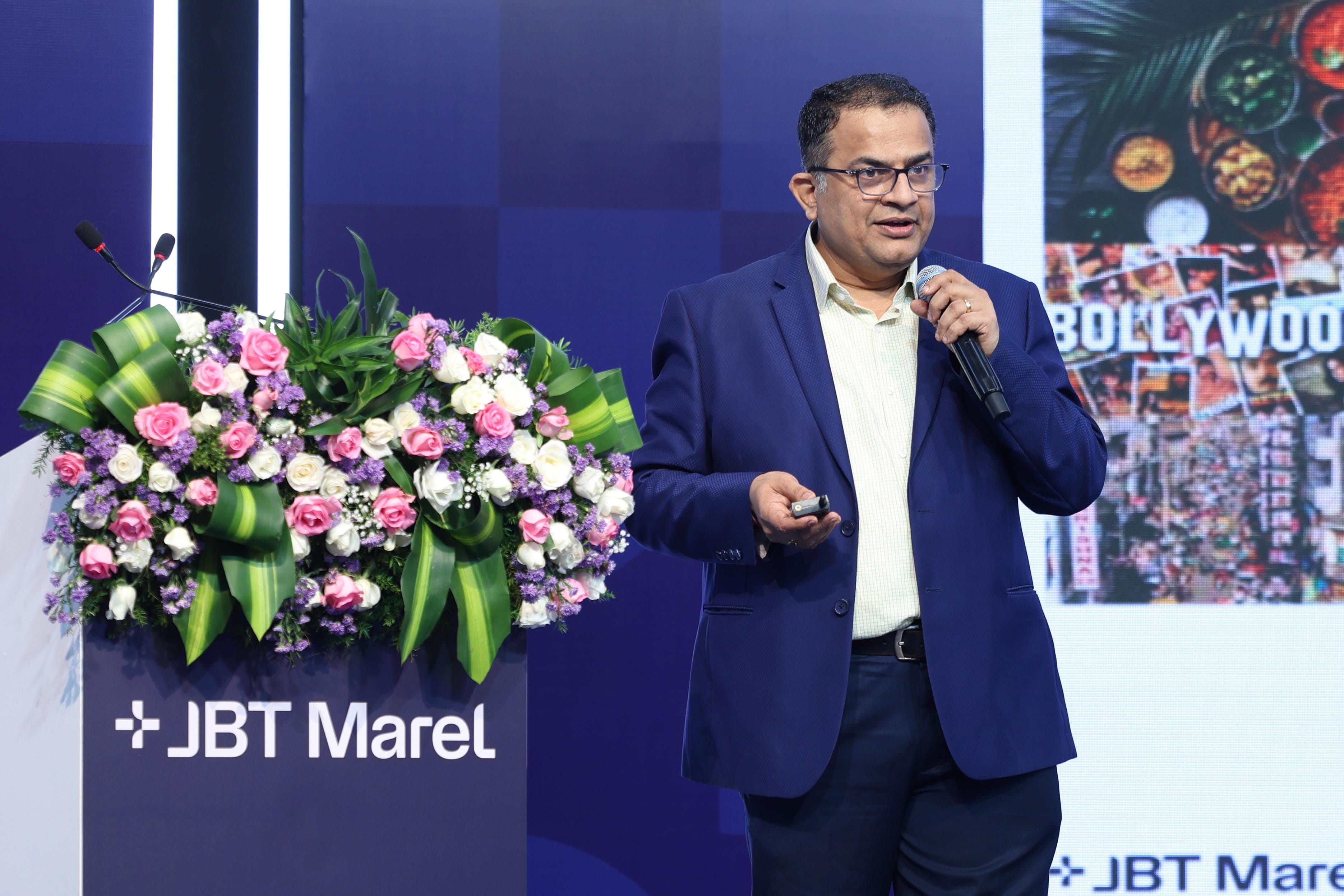
Mulmule: In India, the trend towards skin packaging is gaining momentum, driven by the demand for premiumisation in food products
When asked about JBT Marel’s priorities for the next three to five years, he responds, “The company is committed to investing in modular, climate-resilient packaging systems designed to address India’s unique challenges: heat, humidity, and infrastructure variability.”
Mulmule continues, “With backing from our Pune GPC, we aim to develop innovations that will integrate recyclable materials, energy-efficient machinery, and waste-reduction technologies. This future-ready solution aspires to balance performance with sustainability, promising to meet both local realities and global standards.”