


Women to Watch Awards back in 2026: A step toward an inclusive future
Women to Watch Awards is back in 2026. The packaging industry is transforming, with women in influential leadership positions driving both sustainability and gender inclusivity. Jiya Somaiya speaks to four industry leaders
23 Dec 2025 | By Jiya Somaiya

The packaging industry is transforming, with women in influential leadership positions driving both sustainability and gender inclusivity
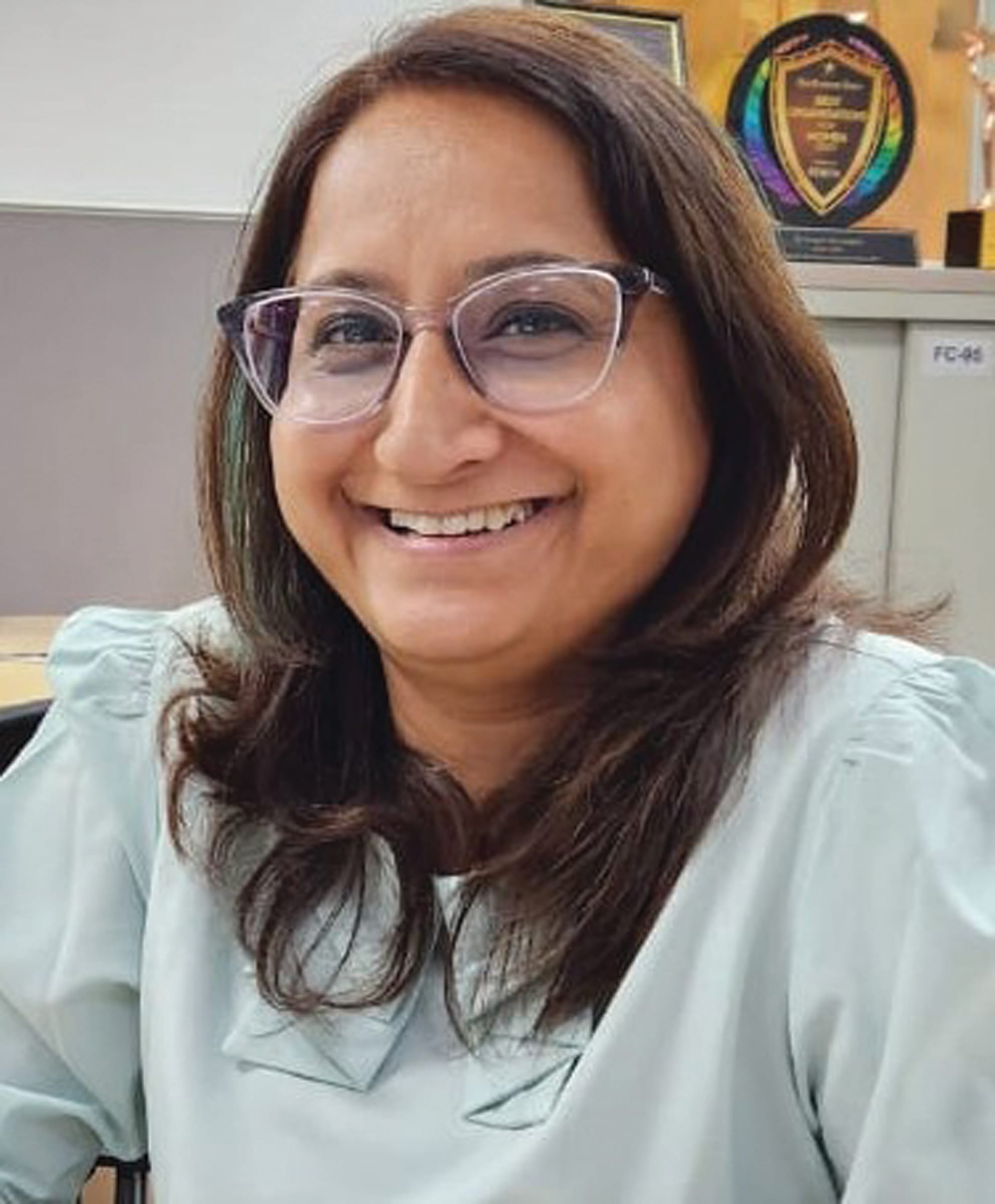
Nidhi Basundhara, Jyothy Labs
As the head of packaging development at Jyothy Labs, Nidhi Basundhara brings 24 years of experience, blending technical expertise with strategic vision to deliver award-winning packaging.
Sustainability focus
Basundhara’s leadership ensures that environmental concerns remain at the forefront of product development. She asserts, “Every brand and product package developed here is an endeavour to minimise our carbon footprint.” Driven by a top-down mandate to minimise the carbon footprint, her team develops solutions that meet functional and sustainability goals. This focus has led to significant recognition, including the WorldStar 2024 award for the sustainable in-mould label on Ujala liquid detergent and the ResPack 2025 award for Sustainable Commercial Packages for Maya Sambrani and Exo Dishwash bar. Her work emphasises adapting and commercialising technological advancements in packaging materials.
Gender inclusivity
Having navigated a traditionally male-dominated supply chain, Basundhara understands the challenge women face in speaking up. She shares, “Early in my career, there were interactions where I hesitated to voice my ideas, fearing they might be overlooked.” She overcame this by prioritising clear communication, recognising that voicing ideas is essential for personal growth and changing industry mindsets. She advocates for helping other women while emphasising that inclusivity is not solely a woman’s responsibility. She urges male colleagues and leaders to foster inclusivity by valuing diverse perspectives and implementing mentorship programs, flexible work policies, and open forums for dialogue.

Hema Java, Java Paper Group
As sales and marketing manager at Java Paper Group, Hema Java, with her background in law and business, champions paper packaging and drives sustainability in a male-dominated sector.
Sustainability focus
Java highlights the importance of traceability and transparency in the paper industry, noting that major suppliers provide their annual carbon footprint details. Java also observes the growing demand for FSC-certified packaging at the brand-owner level and advocates standardised labelling to help consumers easily differentiate between biodegradable, recyclable, and compostable packaging. She remarks, “We make it a point that all our suppliers of papers and paperboards are FSC-certified and hold a good percentage of our overall volumes in FSC-certified stock.”
Gender inclusivity
Java shares her experiences of often being the only woman in the room in meetings with male colleagues, customers, and suppliers. She reflects, “In almost 90% of the meetings I have attended to date, I have been the only woman in the room, and as time passed, I stopped feeling intimidated and learned that my perspective could be different, but I, too, have something to offer.” She believes employing women in senior management positions is essential for making the industry more inclusive, citing the example of female leadership at one of their largest European suppliers. Java sees an encouraging trend of more women joining family businesses, signalling a shift toward greater diversity.

Barkha Sugand, Ajanta Paper Company
Proprietor of Ajanta Paper Company, Barkha Sugand, took over her father’s legacy business and uses her legal expertise for compliance while championing paper-based packaging alternatives.
Sustainability focus
Sugand asserts that while both plastic and paper are recyclable, the decomposition time cycle is critical, making paper packaging a comparatively viable, sustainable, and greener alternative. She acknowledges limitations, stating, “Since paper and paperboard are absorbents, only dry food having a lesser shelf life can be protected.” She continues, “In addition to which, corrugated and noncorrugated box packaging has its limitations concerning liquid and oily food items which have to be packed in plastics.” However, she advocates for paper-based packaging, noting that some manufacturing methods utilise renewable energy sources and recycled fibre. Sugand stresses the significance of FSC-certified papers for tracking raw materials and aiding sustainable forest management, and believes the industry must comply with statutory obligations for transparent labelling to help consumers make informed, environmentally friendly choices.
Gender inclusivity
Upon taking over the business, Sugand found the industry to be overwhelmingly male-dominated. She navigated this challenge by building a healthy rapport with senior, highly experienced men in the field who act as mentors, providing encouragement and continuous learning opportunities. Sugand expresses a strong wish for more women to enter the industry.

Beena Gala, Infinity Industries
As the director of sales and marketing at Infinity Industries, Beena Gala joined the industry driven by a desire to contribute to the paper and packaging sector, a world she has known since childhood.
Sustainability focus
Infinity Industries demonstrated early leadership by becoming the first paper trading company in India to receive both FSC and PEFC certification in 2005, standards which Gala promotes through industry associations like the Paper Traders Association (PTA), Mumbai and the Federation of Paper Traders’ Associations of India (FPTA).
She highlights the paper industry's global and local strides in sustainability, including the maximisation of renewable wind and solar energy and reduction in water consumption. Gala asserts that sustainability is no longer optional—it is essential.
Gender inclusivity
Gala emphasises her positive professional journey, noting that she has been respected, accepted, and welcomed by paper traders and printers across India. This experience highlights the importance of mutual respect, suggesting that when all genders prioritise harmony and professional acceptance, it creates an equitable and supportive environment where women can thrive in senior professional roles.
Her advice to young women and professionals aspiring to enter the industry is to stay curious, embrace challenges, and never underestimate the power of innovation.